


Ever get that odd feeling with your Porsche?
Your car still starts. It still moves. Nothing dramatic has happened. And yet, something feels slightly different.
You start noticing little things here and there. A small hesitation when shifting into Drive, a firmer-than-usual downshift in traffic, or a warning message that appears and disappears before you can fully process it.
Well, we’re here to tell you that it’s not your imagination playing tricks on you.
Modern Porsche transmissions are intelligent, integrated systems. When behaviour changes, it usually means something within the mechanical, hydraulic, or electronic balance has shifted.
As fellow Porsche enthusiasts and owners, understanding these changes matters. This article explains how Porsche transmissions operate and what common transmission faults actually feel like, so you can recognise the signs early and respond appropriately.
Quick Guide on Porsche Transmissions
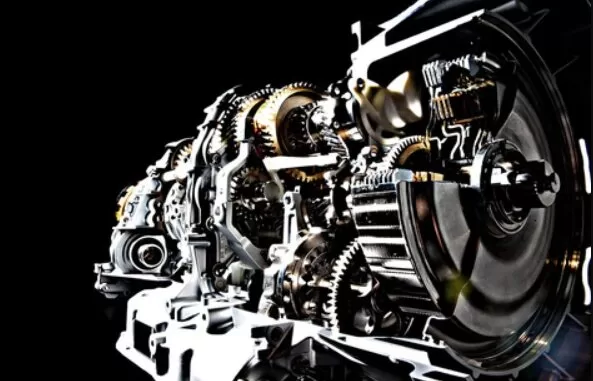
The transmission in a Porsche is not a standalone component. It is deeply integrated with the engine, stability control, throttle mapping, and even suspension behaviour.
Across the range, you will typically find three main transmission types:
- Manual gearbox
A traditional three-pedal setup using synchronisers, gearsets, and a clutch assembly. It relies heavily on mechanical precision and driver input.
- PDK dual-clutch transmission
Porsche Doppelkupplung uses two clutches, one for odd gears and one for even gears. This allows pre-selection of the next gear to deliver extremely fast shifts.
- Tiptronic automatic
A torque-converter automatic typically used in higher-torque or heavier vehicles. It prioritises smoothness and durability.
Regardless of type, modern Porsche gearboxes rely on:
- Mechatronic control units that manage hydraulic pressure and gear engagement
- Sensors monitoring temperature, clutch position, and input/output speeds
- Adaptive learning software that adjusts shift timing to your driving style
- Precise fluid pressure control to engage clutches and bands smoothly
Because these systems are electronically managed, minor calibration or pressure issues can manifest as subtle changes in driving feel long before a hard failure actually happens.
Signs Your Porsche Transmission Is Warning You
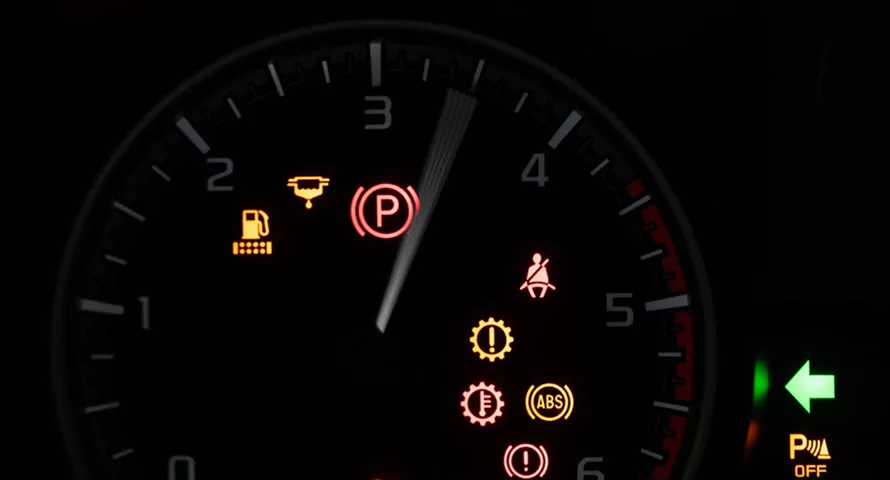
Transmission faults rarely begin with catastrophic failure. They usually start with behaviour changes.
Here are the most common signs Porsche owners report:
Delayed Engagement Into Drive or Reverse
A healthy Porsche transmission should engage almost immediately when you select Drive or Reverse.
If your car pauses before engaging, this can indicate:
- Low or degraded transmission fluid
- Hydraulic pressure irregularities
- Early clutch wear in PDK systems
- Torque-converter wear in Tiptronic models
If the delay becomes more noticeable over time, it should be inspected as soon as possible
Jerky Behaviour at Low Speeds
Low-speed driving is where transmission calibration is most exposed. If the car feels slightly abrupt in traffic, the shifts may not be as smooth as they used to be.
Possible causes:
- Clutch adaptation issues in PDK
- Software recalibration needed
- Worn clutch packs
- Mechatronic valve body irregularities
Low-speed behaviour is often the first sign that clutch tolerances or hydraulic pressures are drifting outside ideal ranges.
Hard or Sudden Downshifts
Downshifts should feel deliberate, not abrupt. During braking or deceleration, does the gearbox drop a gear more aggressively than expected?
This may point to:
- Faulty throttle position readings
- Incorrect adaptation values
- Pressure regulation issues
- Software mapping inconsistencies
Occasional firmness is normal in Sport or Sport Plus modes, but not repeated harshness in normal driving. This suggests the control system is compensating for something it shouldn’t have to.
Slipping Under Acceleration
Acceleration should feel directly connected to engine revs. If the engine revs climb, but the acceleration does not feel proportional, this may indicate something more serious, such as:
- Worn clutch packs in PDK
- Internal clutch wear in Tiptronic
- Low fluid pressure
- Internal seal leakage
Slipping signals friction loss, and friction loss inside a transmission does not resolve on its own. You’ll need intervention from a qualified technician.
Gearbox Warning Lights or Messages
A transmission warning light is the result of a specific measured fault condition stored inside the control unit.
Modern Porsches have proactive systems that log detailed fault codes when they detect:
- Temperature irregularities
- Pressure faults
- Sensor malfunctions
- Communication errors between modules
Even if the warning disappears, the stored data remains accessible during a diagnostic scan, which is why scanning the car early provides clarity before symptoms escalate.
Transmission Overheating Messages
Heat is the enemy of hydraulic precision. Overheating warnings are more common during:
- Track driving
- Heavy traffic in hot climates
- Aggressive launch control use
Repeated temperature spikes accelerate fluid breakdown and reduce the lifespan of internal clutch components.
Limp Mode Activation
Limp mode is a protective strategy, not a random malfunction. If your car restricts itself to limited gears or reduced power, the system is preventing further internal damage.
Common triggers include:
- Severe clutch slip detection
- Pressure loss
- Mechatronic malfunction
- Internal speed sensor discrepancies
When limp mode activates, the transmission control unit has determined that continued normal operation could worsen the issue. It is a clear instruction to inspect immediately.
It is important to note that none of these signs exists in isolation. Modern Porsche gearboxes are monitored by control units that constantly compare real-time data against programmed tolerances. When behaviour changes, it usually means those tolerances are being stretched. The earlier that shift is identified and diagnosed properly, the more controlled and predictable the repair process becomes.
PDK-Specific Issues Owners Should Understand
PDK is one of the most advanced dual-clutch systems in production. It is also complex.
When PDK develops issues, they typically fall into one of two categories: calibration-related or mechanical.
Calibration-related issues include:
- Rough low-speed engagement
- Inconsistent shift timing
- Abrupt take-off from standstill
These can sometimes be resolved through software updates or adaptation resets.
Mechanical issues include:
- Distance sensor failure
- Clutch pack wear
- Mechatronic unit failure
- Internal hydraulic leakage
- Worn pressure solenoids
PDK clutches wear gradually. Hard launches, aggressive track use, and frequent stop-start driving can accelerate wear. Fluid condition also plays a role, as degraded fluid reduces pressure stability and cooling efficiency.
Early detection matters. Replacing a clutch pack is far less invasive than repairing internal gearset damage caused by prolonged slip.
Tiptronic and Manual Transmission Differences
While PDK gets most attention, Tiptronic and manual gearboxes have their own fault patterns.
| Transmission Type | Fault Patterns |
| Tiptronic | Valve body wear causing erratic shifts Torque-converter shudder under light throttle Fluid contamination affecting hydraulic control |
| Manual Gearbox | Worn synchronisers causing grinding during shifts
Clutch wear leading to slipping
Linkage misalignment affecting shift precision |
Tiptronic transmissions rely heavily on clean fluid for pressure regulation. Neglected fluid changes can lead to pressure irregularities and shift harshness.
On the other hand, manual transmissions are mechanically simpler, but they are not immune to wear. If a manual Porsche starts resisting gear engagement or producing grinding sounds, it is usually mechanical wear rather than electronic calibration.
Understanding Severity And Acting Early
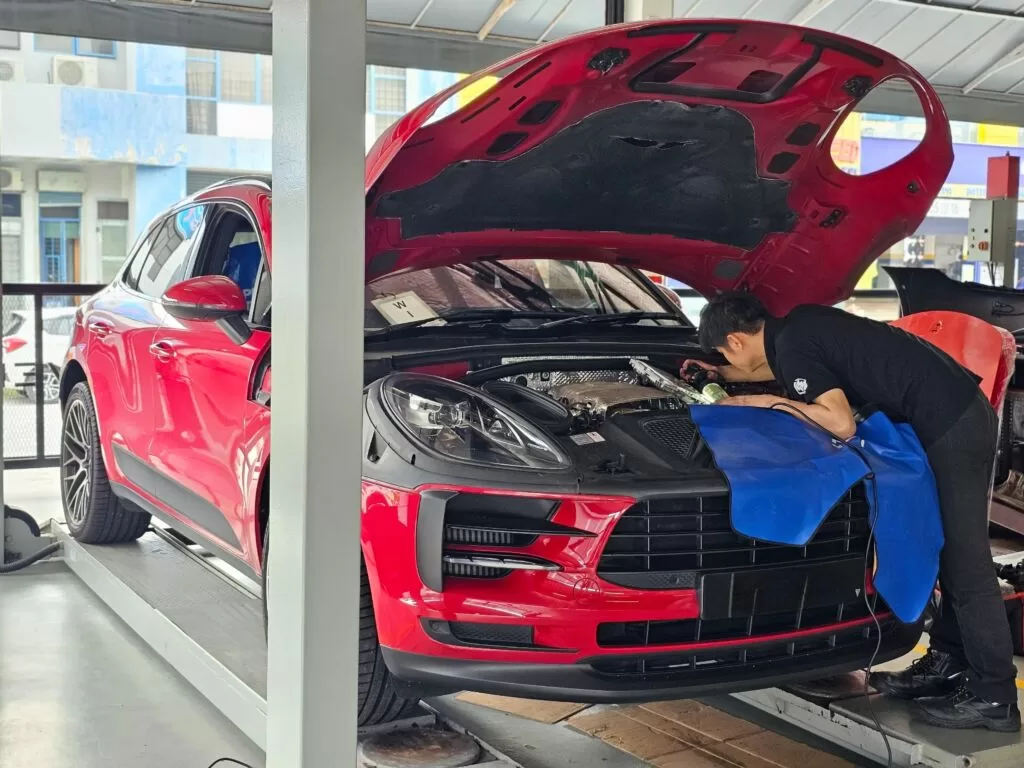
Not every change calls for immediate panic, but certain symptoms should move inspection up your priority list.
Seek immediate inspection if you notice:
- Persistent warning lights that do not clear
- Grinding or metallic noises during gear changes
- A burning smell after driving
- Loss of drive or pronounced slipping under acceleration
- Repeated activation of limp mode
These signs suggest the system is operating outside safe limits or actively protecting itself from further damage.
Other changes may feel minor at first, but still deserve scheduled inspection:
- Occasional hesitation when selecting a gear
- Slight roughness during cold starts
- Minor delay between gear shifts
- A gradual increase in shift firmness
The difference lies in progression. If symptoms worsen over time, mechanical wear may be accelerating.
That is where early diagnosis becomes critical. Most transmission issues escalate with continued use. When addressed early, repairs are typically limited to recalibration, fluid service, or targeted component replacement. However, delayed intervention increases the likelihood of clutch wear, hydraulic contamination, or internal damage that requires more extensive repair.
Listen to Your Porsche Before It Gets Loud
Your Porsche communicates through feel.
When shifts begin to feel different or engagement loses its smoothness, the system is reacting to measurable changes inside the gearbox. These transmissions operate within precise tolerances. Once those tolerances shift, the driving experience shifts with them.
Catching the issue early keeps the repair focused and predictable. Leaving it unchecked increases the likelihood of deeper mechanical involvement.
If your Porsche no longer feels as composed as it should, have it inspected properly. Reach out to The Porsche Lover today to schedule a transmission diagnostic and inspection.
A healthy transmission keeps the car feeling exactly as it was engineered to.
