


Few automotive debates are as persistent among Porsche owners as Manual vs PDK Porsche.
Some drivers believe a Porsche should always have three pedals and complete driver involvement. Others argue that Porsche’s PDK transmission is one of the greatest performance engineering achievements ever developed for road cars.
The reality is that both sides are correct depending on what the owner values most.
What makes this debate interesting is that it goes far beyond transmission choice. It reflects how different Porsche owners experience driving itself.
Key Takeaways
- Manual and PDK Porsche owners prioritise different driving experiences
- Manual transmissions emphasise engagement and mechanical connection
- PDK transmissions prioritise speed, precision, and efficiency
- Both systems deliver distinct driving characteristics
- The debate continues because both options appeal to different types of drivers
Why the Manual vs PDK Porsche Debate Never Ends
The reason the debate continues is simple.
Both transmissions deliver completely different emotional experiences behind the wheel.
Manual Porsche owners often value:
- Driver engagement
- Mechanical connection
- Clutch and gear coordination
- Analog driving feel
- Greater sense of involvement
PDK Porsche owners typically prioritise:
- Faster gear changes
- Precision performance
- Daily drivability
- Consistent acceleration
- Maximum efficiency and speed
Neither approach is objectively wrong. They simply represent different philosophies of driving.
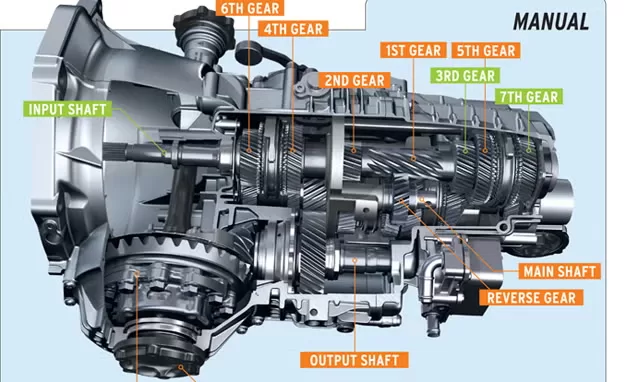
Why Manual Porsche Owners Stay Loyal
Manual transmission Porsche owners often describe the car as feeling more alive.
The experience becomes more physical and deliberate:
- Managing clutch control
- Timing gear changes
- Balancing revs through corners
- Feeling direct mechanical feedback
For many enthusiasts, this interaction creates a stronger emotional connection with the car itself.
The driving process becomes part of the reward.
Why PDK Changed Porsche Performance Expectations
Porsche’s PDK system fundamentally changed modern performance driving.
PDK delivers:
- Extremely fast shift speeds
- Seamless acceleration
- Better launch performance
- Greater efficiency
- Consistent lap-time capability
For many drivers, the precision becomes addictive.
Once accustomed to PDK response, traditional automatic transmissions often feel slow or disconnected by comparison.
The Truth Most Owners Eventually Realise
Over time, most Porsche owners realise the debate is less about “better” and more about purpose.
A manual Porsche often prioritises:
- Weekend driving enjoyment
- Emotional connection
- Mechanical involvement
A PDK Porsche often excels in:
- Daily usability
- Traffic conditions
- Performance consistency
- Fast-paced driving environments
Both systems deliver exceptional experiences in different ways.
The Importance of a Disciplined Workshop
Whether manual or PDK, modern Porsche platforms are highly interconnected systems where engine performance, transmission behaviour, suspension calibration, braking systems, and onboard electronics constantly communicate with one another. This is why workshop quality matters significantly more than many owners initially realise.
A professional workshop ensures:
- System-wide diagnostics instead of isolated checks
- Accurate interpretation of data across interconnected systems
- Proper calibration and adaptation resets where required
- Use of correct fluids and OEM-quality components
Even minor servicing inconsistencies can affect:
- Shift behaviour
- Drivetrain smoothness
- Clutch response
- Transmission calibration
- Overall driving refinement
For performance-focused vehicles like Porsche, maintaining factory-level driving feel requires structured servicing standards, disciplined technicians, and proper technical procedures.
Why Manuals Feel More Special Today
Part of the appeal comes from rarity.
As the automotive industry moves toward:
- Dual-clutch systems
- EV platforms
- Automated driving technologies
manual transmissions are becoming increasingly uncommon.
For some Porsche owners, driving manual represents preserving a more traditional and engaging driving experience that modern vehicles are gradually moving away from.
![Why PDK Dominates Modern Performance Metrics]()
 Why PDK Dominates Modern Performance Metrics
From a technical perspective, PDK systems outperform manual transmissions in several measurable areas.
PDK generally provides:
- Faster acceleration times
- Quicker shift response
- Better fuel efficiency
- Improved launch consistency
- Reduced interruption during power delivery
For drivers focused on outright performance, PDK often represents the faster and more technically capable option.
Driving Feel vs Driving Speed
At the core of the Manual vs PDK Porsche debate is one simple question:
Do you prioritise feeling more involved, or being objectively faster?
Manual drivers often value:
- The process of driving
- Mechanical interaction
- Human input and timing
PDK drivers often value:
- Precision execution
- Instant responsiveness
- Maximum performance efficiency
Neither perspective invalidates the other.
Why the Debate Continues Across Generations
What keeps the debate alive is that Porsche successfully engineered both systems exceptionally well.
If either transmission were clearly inferior, the discussion would have ended years ago.
Instead:
- Manual transmissions continue attracting enthusiasts seeking engagement
- PDK systems continue attracting drivers seeking precision and speed
Both remain highly respected because both deliver authentic Porsche driving experiences through different approaches.
Final Thoughts
The Manual vs PDK Porsche discussion is unlikely to disappear anytime soon because it reflects two fundamentally different interpretations of driving enjoyment.
Manual transmissions emphasise connection, rhythm, and involvement. PDK systems prioritise precision, efficiency, and performance optimisation.
Ultimately, the better choice depends less on the transmission itself and more on how the owner wants to experience the car.
That is exactly why the debate never truly ends.
